原来 Cili Padi Kampung 真的比较贵
English summary available ↓
Buying groceries at NSK, I noticed for the first time that Cili Padi Kampung really costs much more than ordinary cili padi: RM17.99 per kg next to Cili Api Hijau at RM9.90, about 82% more. My first guess was local versus imported, but both signs said Thailand. Looking it up, the gap isn't set by NSK. DOSM's agricultural price data already tracks different types of cili padi separately. Using 2021 figures, Thai Cili Padi Akar averaged about RM8.60 per kg wholesale and RM11.75 retail, while Thai Cili Padi Kampung was RM13.25 wholesale and RM18.30 retail. The premium exists before it reaches the shelf. One big reason is productivity. Cili Padi Kampung is small, a kilo needs many chillies, and they are picked by hand one by one; picking alone can cost RM5 to 6 per kg, while the larger Cili Siam, about 3 to 6 cm, fills a kilo faster with the same workers and time. The second is transport and spoilage: commercial varieties are larger, redden later and have sturdier stalks, so they travel better through the supply chain. Cili Padi Kampung is less industrialised, yet many people find it more fragrant and spicy. Agriculture is like many businesses: cost depends not just on how many kilos you sell, but on the time, labour, losses and efficiency behind each kilo. The funniest part: the chillies we grow at home seem to be Cili Padi Kampung. I look at them differently now.
Read full English version →刚刚去 NSK 买菜,今天才发现一个我以前完全没有注意过的东西。
原来 Cili Padi Kampung,真的比普通的 cili padi 贵很多。
我看到旁边两个牌子,一个 Cili Api Hijau RM9.90/kg,另外一个 Cili Padi Kampung RM17.99/kg。算一下,差不多贵了 82%。
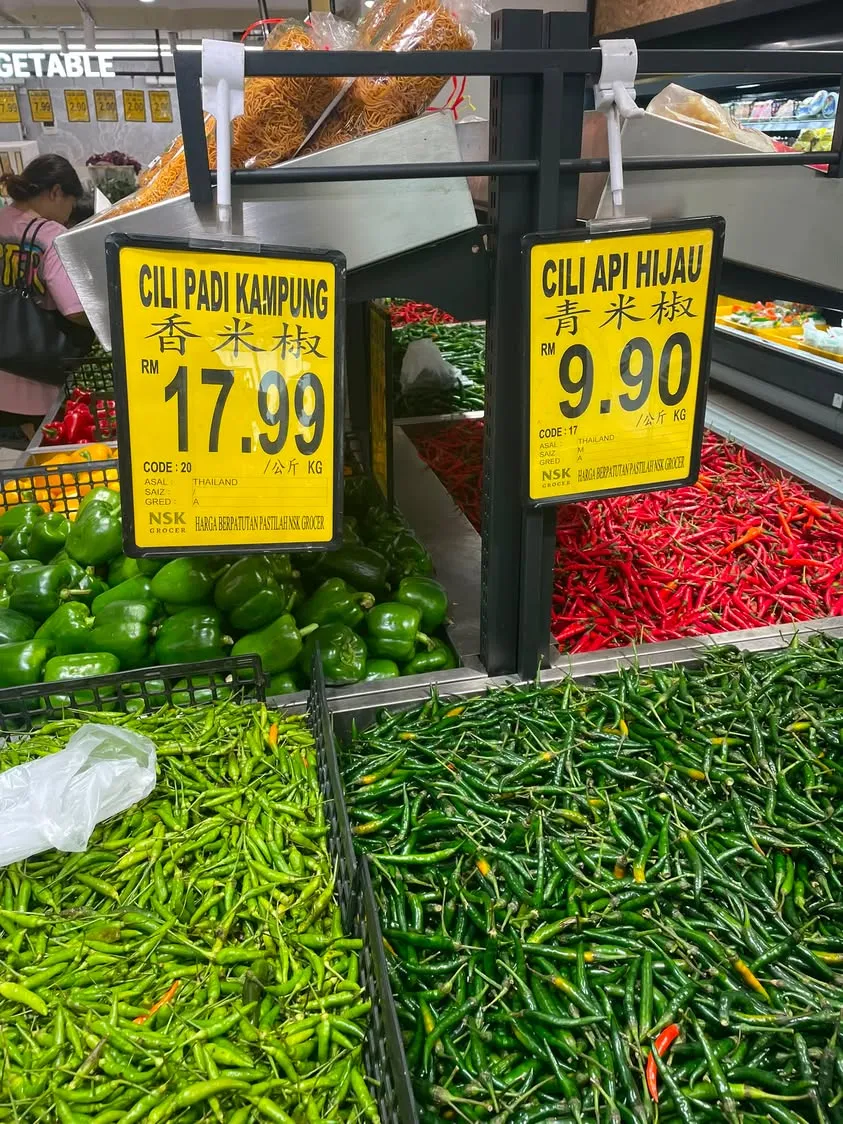
我第一个反应是:有没有可能一个是 local,一个是 imported,所以才差这么多?
结果再看清楚一点,两个牌子都写 Thailand。
这就有趣了。
查了一下,发现这个价差其实不是 NSK 定的。DOSM 的农业价格数据,本来就会把不同类型的 cili padi 分开统计。
以 2021 年的数据来看,泰国的 Cili Padi Akar,平均批发价大概 RM8.60/kg,零售价 RM11.75/kg;但泰国的 Cili Padi Kampung,批发已经去到 RM13.25/kg,零售 RM18.30/kg。
也就是说,这个 premium 在 supermarket 上架之前,其实已经存在了。
为什么?
其中一个很重要的原因,原来是 productivity。
Cili Padi Kampung 比较小。一公斤的辣椒,需要摘非常多粒,而辣椒又不是机器整批收,是一粒一粒人工摘。
有农业资料提到,种植 cili padi 最大的问题之一就是采摘人工。因为果实小、数量多,单单采摘成本就可以去到 RM5–6/kg。相反,泰国大量进口的 Cili Siam,果实比较大,大约 3–6cm,一样的工人、一样的时间,可以更快采到一公斤。
第二个是运输和损耗。
Commercial variety 的 chilli 通常比较大,比较迟变红,果柄也比较耐放,所以从农场、批发、运输到 supermarket,整个 supply chain 会比较容易处理。
Cili Padi Kampung 就没有这么「工业化」。
它比较小、比较难摘,供应没有那么 standardize,可是偏偏很多人又觉得它比较香、比较辣、比较有味道。
所以回头看那 RM9.90 和 RM17.99,其实突然就很合理了。
一公斤辣椒就是一公斤辣椒,为什么可以差接近一倍?
农业和很多生意其实一样。
真正决定成本的,不只是你最后卖了多少公斤,而是为了做出这一公斤,前面到底花了多少时间、人工、损耗和效率。
有时候我们看到的是同一个「product category」,背后其实是完全不同的 economics。
最搞笑的是,我看到最后才想到——
我们家平时种的,好像就是 Cili Padi Kampung。
以前只是觉得家里有辣椒吃。
现在看它的眼神,突然不一样了。