用语音输入,用文字输出
English summary available ↓
At an AI automation event hosted by Ann and n8n, I noticed that many people talked to AI by voice instead of typing, yet still read its answers as text. For decades we typed into computers and read from screens; mobile added tapping and swiping. With AI, input is becoming natural, and the most natural way is speaking. Our thinking is often vague and jumpy, and typing forces us to tidy it into sentences first. Speaking lets us think aloud and let AI organise it. But for output we still prefer text, because we can pause, reread, copy, edit, compare and turn it into documents, briefs and workflows. Voice is good for expressing ideas; text is good for keeping them. Many AI products may end up working like this: speak to input, read the output, let AI execute. We used to adapt to machines by learning keyboards and software. Now machines are starting to adapt to us. The real change isn't just smarter AI, but computers finally meeting us in the most natural way we communicate.
Read full English version →今天参加了 Ann 和 n8n 在线下主办的活动,主题主要围绕 AI Automation。
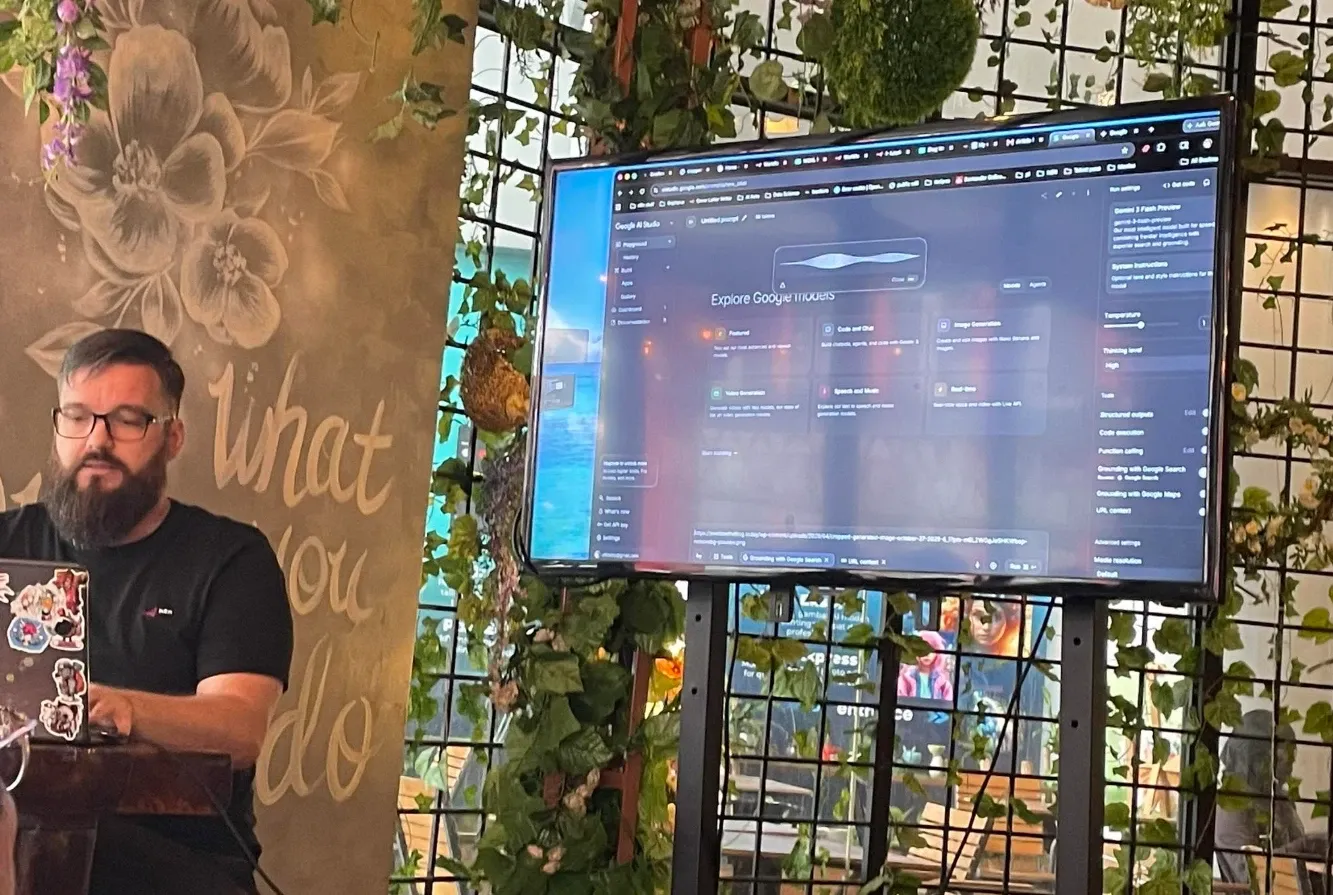
活动本身当然有很多很厉害的分享,大家也展示了不少 AI workflow、automation、agent 的应用。
但我注意到一个很有意思的现象:现场很多人,其实都是用语音跟 AI 沟通。
他们不是打字,而是直接讲。可是 AI 回答之后,他们看的还是文字。
这个现象我觉得蛮有意思的。
因为以前我们使用电脑,输入和输出基本上都是文字。键盘输入,屏幕阅读。后来进入 mobile 时代,我们用手指滑、点、打字。可是到了 AI 时代,输入开始越来越自然。而最自然的方式,其实就是讲话。
人类本来就不是为了键盘而生的。
我们思考的时候,很多时候是模糊的、跳跃的、还没有整理好的。用打字会卡住,因为你要先把想法整理成句子,才可以输入进去。
可是用语音就不一样。可以一边想,一边讲。可以把不完整的想法先丢出来,让 AI 帮你整理。甚至可以像跟一个助理讲话一样,把脑里面还没有成形的东西,慢慢讲清楚。
语音输入其实更适合 AI。
但有趣的是,输出我们还是更喜欢看文字。
因为文字可以停下来。可以回看。可以复制。可以修改。可以比较。也可以变成文件、brief、proposal、caption、workflow。
语音适合表达想法。文字适合沉淀想法。
这个也让我想到之前看到 Silicon Valley 一些 voice-first AI 项目的方向。他们也在强调,AI 时代的产品,不一定是让人一直打字,而是让人用最自然的方式把想法说出来,再由 AI 转成可执行、可阅读、可整理的内容。
我觉得未来很多 AI 产品的交互方式,可能会变成:
用语音输入。
用文字输出。
用 AI 执行。
以前我们是人去适应机器,所以要学 keyboard、software、system。
现在慢慢变成机器来适应人。
我们只需要把想法讲出来。
真正的变化不只是 AI 变聪明了。而是我们跟电脑沟通的方式,开始变回人类本来最自然的方式。