从电力市场的 Prosumer,看零售的供需匹配
English summary available ↓
At the end of last year I joined the CommonWealth Economic Forum in Taiwan at Jessie Ng's invitation, and came away with more than I expected. Taipower chairman Tseng Wen-sheng argued that the power debate can't stop at whether there is enough electricity and whether it is too expensive. The future market should be dynamic, with efficiency, innovation and a mature trading mechanism, where supply and demand can swap roles and demand itself becomes a tradable resource. The founder of an energy company then described the prosumer: households generating solar power, storing it in batteries and selling the surplus to the market. It made me ask whether retail could work the same way. Retail has long treated the customer as god, so retailers keep cutting prices or adding value. In traditional e-commerce, a cup costing 10 ends up at 20 after ads, logistics and labour. Fourth-generation platforms like Pinduoduo and SHEIN use data to see that a cup can sell 1,000 a month, push a seller to 8, and sell at 10; the platform becomes the matchmaker between supply and demand. My takeaways: data-driven matching, customers who can also be producers, and flexible integration of the supply chain. Retailers must look beyond channels and capacity to how data and technology match supply with demand.
Read full English version →去年年底接受了 Jessie Ng 姐的邀请,参加了天下论坛。一开始只是想借机走走看看,但这次论坛的内容非常广泛和深刻,收获了许多启发。以下是对我影响的一些分享:
能源创新
在论坛上,台湾电力公司董事长曾文生提到,台湾的电力发展不能只停留在「电力够不够」和「价格贵不贵」的狭隘讨论上。他指出,这样的思维无法解决根本问题。未来的电力产业需要从以下几个方向入手,包括提高效率,促进创新和建立更成熟的市场机制。
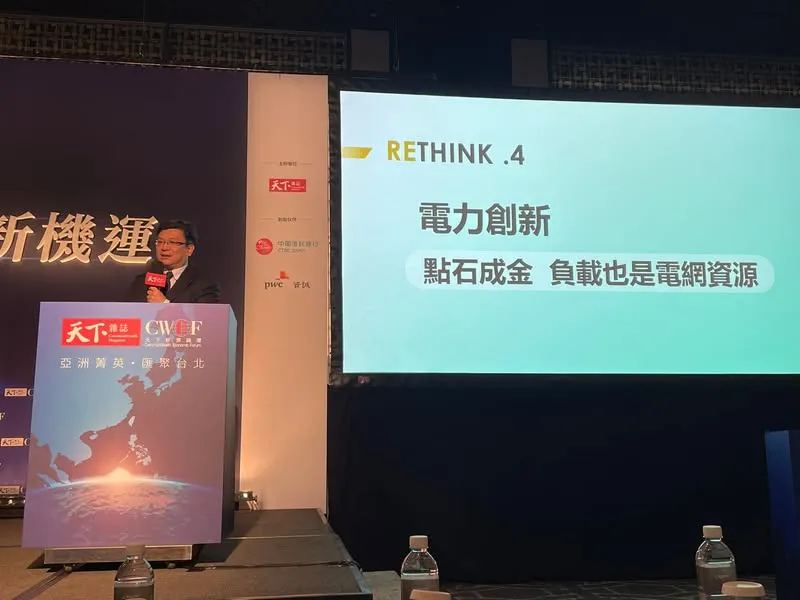
尤其是台湾缺乏完整的电力交易市场。他提出未来的电力市场应该是动态的,供需双方可以相互转换,需求本身也可以变成一种可交易的资源。
Prosumer
同时,安瑟乐威公司创始人郑智文进一步提出了“Prosumer”(生产者 + 消费者)的概念。他强调,未来的能源系统不再只是政府与大企业的舞台,而是由用户共同参与的市场。用户不仅是消费者,也是生产者。例如:
- 家庭通过太阳能发电,并储存到电池中;
- 多余的电量可以出售到电力市场中,获得收益。
这些概念其实早期都有听过,但当事人深入讲解后,我开始思考:零售市场是否也能采用类似的模式?
零售创新的反思
长期以来,零售市场总是把顾客视为“上帝”,这导致零售商不断通过降价或增加附加值的方式去吸引消费者。问题在于,为什么零售商不能像能源产业那样,扮演供需匹配的角色?甚至,用户是否也可以成为零售供应链的一部分?
几点思考:
1. 传统电商的困局
传统电商模式中,产品价格往往被各种广告费、物流费和其他成本不断推高。例如,一个成本价 10 元的杯子,经过广告费(2 元)、物流(2 元)、人力(1 元),最终零售价需要达到 20 元,商家才能维持盈利。
2. 第 4 代电商的崛起
拼多多和 SHEIN 等平台,则通过精准的数据掌握和供需匹配,成功打破了这一模式。例如:
- 平台通过数据发现一款杯子每月可以销售 1,000 个;
- 与卖家 A 合作,要求成本降至 8 元;
- 卖家 A 为了大批量订单,与上游供应商谈判,进一步降低原材料和生产成本;
- 最终,平台以 10 元的价格售卖,用户买到便宜的商品,商家也获得更多订单。
通过这种模式,平台降低了传统电商的获客成本,产品定价也变得更有竞争力。讲白了,平台就是成为供需匹配的中间人,最大化优化了供应链。
零售行业的变革思考
零售业已经不再是简单的“卖商品”或“扩大产能”,而是需要站在供需匹配的角度重新思考。例如:
1. 数据驱动的精准匹配
零售商需要利用数据分析需求,减少库存浪费,同时为用户提供更高性价比的产品。
2. 用户的角色转变
用户不再只是消费者,也可以是生产者。
3. 供应链的灵活整合
零售商可以通过整合上下游资源,实现更灵活高效的供应链管理。
任何行业都在发生变化,零售业也不例外。未来零售商不仅需要关注渠道优势和产能扩大,更要着眼于如何通过数据和技术更好地匹配供需,真正为用户创造价值。