From energy prosumers to supply-and-demand matching in retail
Originally written in Chinese. Translated with AI, reviewed by Gary. Read the Chinese original →
At the end of last year I accepted an invitation from Jessie Ng to attend the CommonWealth Economic Forum in Taiwan. At first I just wanted an excuse to look around, but the forum turned out to be very broad and deep, and I came away with a lot of ideas. Here are some of the ones that stayed with me:
Energy innovation
At the forum, Taipower chairman Tseng Wen-sheng said Taiwan's power debate can't stay stuck on the narrow questions of "is there enough electricity" and "is it too expensive". That kind of thinking, he said, can't solve the underlying problem. The power industry of the future needs to work on several fronts: higher efficiency, more innovation, and a more mature market mechanism.
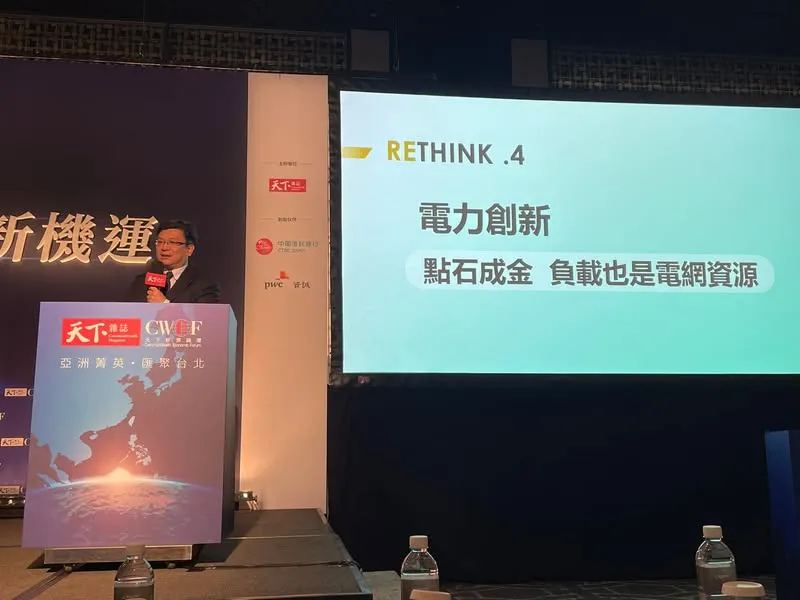
In particular, Taiwan lacks a complete electricity trading market. He proposed that the future power market should be dynamic, with supply and demand able to switch roles, and demand itself able to become a tradable resource.
Prosumer
Then 郑智文, founder of the energy company 安瑟乐威, took it further with the idea of the "prosumer" (producer plus consumer). He stressed that the energy system of the future won't just be a stage for governments and big companies, but a market that users take part in. Users aren't only consumers; they are producers too. For example:
- Households generate solar power and store it in batteries;
- Surplus power can be sold into the electricity market for income.
I'd heard these ideas before, but hearing the people involved explain them in depth made me wonder: could retail use a similar model?
Rethinking retail innovation
For a long time, retail has treated the customer as "god", which leads retailers to keep attracting customers by cutting prices or adding value. The question is, why can't retailers play the role of matching supply and demand, like the energy industry? Could customers even become part of the retail supply chain?
A few thoughts:
1. The trap of traditional e-commerce
In traditional e-commerce, product prices keep getting pushed up by advertising, logistics and other costs. For example, a cup that costs 10 to make, after advertising (2), logistics (2) and labour (1), has to retail at 20 for the seller to stay profitable.
2. The rise of fourth-generation e-commerce
Platforms like Pinduoduo and SHEIN have broken this model through precise data and supply-demand matching. For example:
- The platform's data shows a cup can sell 1,000 units a month;
- It works with seller A and asks for the cost to come down to 8;
- To win the large order, seller A negotiates with upstream suppliers and brings material and production costs down further;
- In the end the platform sells it at 10. Customers get a cheap product, and the seller gets more orders.
With this model, the platform lowers the customer acquisition costs of traditional e-commerce, and prices become more competitive. Put simply, the platform becomes the matchmaker between supply and demand, and optimises the supply chain as far as it can go.
Rethinking the retail industry
Retail is no longer simply about "selling goods" or "adding capacity". It needs to be rethought from the angle of matching supply and demand. For example:
1. Data-driven, precise matching
Retailers need to use data to analyse demand, cut inventory waste, and give customers better value products.
2. The customer's changing role
Customers are no longer just consumers. They can be producers too.
3. Flexible supply-chain integration
By integrating upstream and downstream resources, retailers can run a more flexible, efficient supply chain.
Every industry is changing, and retail is no exception. Retailers of the future can't only focus on channel advantages and expanding capacity. They need to focus on using data and technology to match supply and demand better, and truly create value for customers.