The Splendid and the Vile: finding meaning and hope in the tide of history
Originally written in Chinese. Translated with AI, reviewed by Gary. Read the Chinese original →
Over the past two years, as my kids have grown, I've finally freed up some time to read. I now get through about 20 to 30 books a year, mostly on startups and business. This year I tried some different kinds of books, including philosophy and literature. With 2024 nearly over, looking back on this year's reading, I want to write a few reviews.
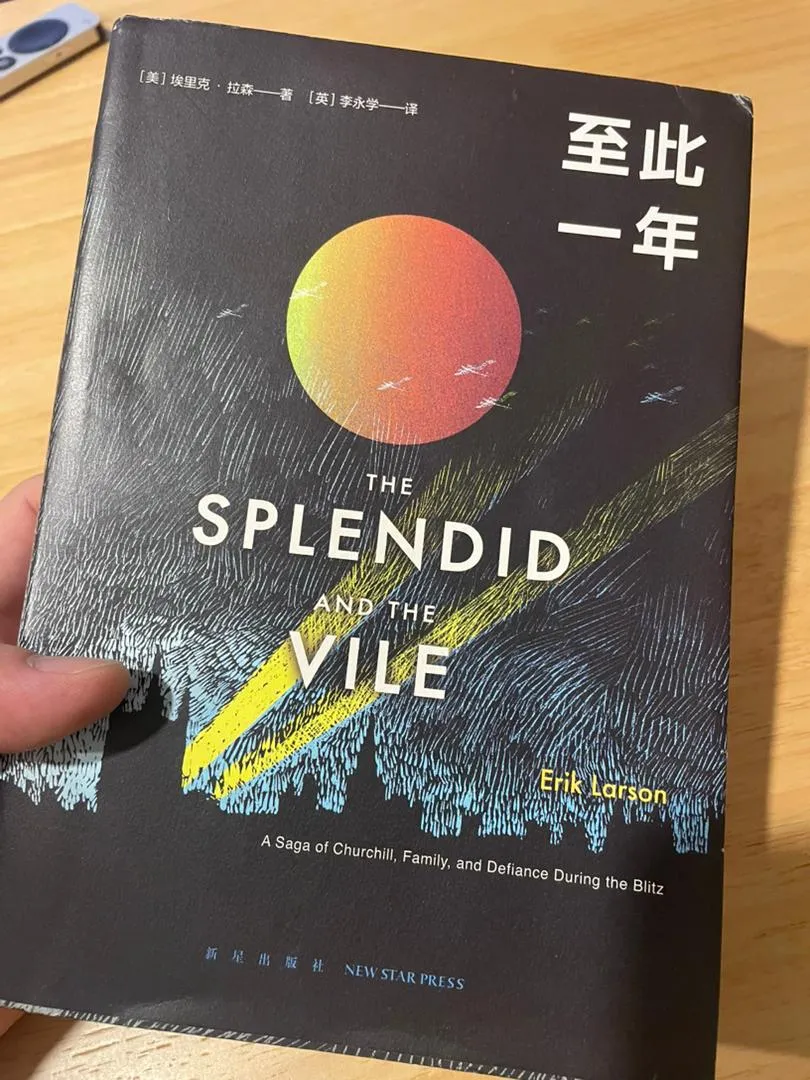
One book sat by my bed for a full nine months: Erik Larson's The Splendid and the Vile. I read a few pages every night before sleep. It matched how this year felt remarkably well: splendour and vileness, the darkest hour and holding on.
The darkest hour of war, and the light of daily life
The Splendid and the Vile tells the stories of Britain during 1940, in the Second World War. It focuses on how Churchill, after becoming prime minister, led the country through. It isn't a war book full of adrenaline and dramatic climaxes. With a delicate touch, it paints life under the shadow of war: resilience, endurance, hope.
The setting is 1940, with Britain struggling under the threat of Nazi bombers. Churchill takes office in this "darkest hour". He needs to ask America for help, but has to judge it carefully: too optimistic and America won't help; too pessimistic and hope is lost too. That delicate balance runs through the whole wartime strategy.
But what impressed me most wasn't Churchill's decisions. It was how ordinary British people lived through that period.
Finding light in the dark
Despite all the hardship of war, the British still chose to live properly. In the mornings they went to Hyde Park to sit in the sun. At Christmas, people still crowded into Regent Street to shop. Even with bombers circling overhead, couples still proposed and married. When it was time to celebrate, they still opened the champagne.
In these fragments of life you can feel a kind of strength: defending the dignity and beauty of living. Even in the darkest place, you can still light a small flame.
Some details in the book made me think hard. In the Battle of Britain, because the British overestimated the enemy's strength, they found 200% of the will to survive and fight. Germany, meanwhile, kept changing its targets and missed precious opportunities.
That attitude doesn't only apply to war. It seems to apply to our lives too.
In adversity, it was exactly this habit of overestimating the difficulty and giving everything that carried Britain through its hardest moments.
Living in the present
The book reminded me of a philosophical question: if you had only one year left to live, how would you live it?
A war is the best setting to answer that. Our parents' generation faced similar choices during the war against Japan. Some became pessimistic and gave up; others stayed hopeful and held on.
With all of life's trials, we don't keep going because there is hope. We see hope because we keep going.
This year may not have been the worst year, but whatever challenges come, the choice of how to live is always in our own hands.