The inventory sync we couldn't solve ten years ago is now just a default
Originally written in Chinese. Translated with AI, reviewed by Gary. Read the Chinese original →
More than ten years ago, when I was running a shoe store business, I ran into a very real and very thorny problem.
Almost all of our inventory sat in our physical stores.
Around 2014 or 2015, I started getting into e-commerce. The biggest headache wasn't traffic, and it wasn't the website. It was something that looked basic but had us completely stuck: I had no way to allocate a separate batch of stock just for online.
So our idea was: since the goods are all in the stores, let's use the stores as the inventory for online orders.
The question was, how do you keep it in sync?
For years I talked about this with a good friend, Adrian Oh of Websharper. We talked for a very, very long time, and our discussion came down to one thing: how do you make the website, the offline stores and the inventory synchronous?
In theory it sounded reasonable. In reality there were traps everywhere: overselling, delays, inaccurate stock, unstable systems, human error...
We kept talking and kept trying, but never found a solution that truly ran smoothly and that we could afford.
Then, around 2017 and 2018, my retail business went under. And the problem of syncing online and offline inventory was, for the moment, buried by the times.
Until a few days ago.
My wife saw a piece of clothing she liked at ZARA, but the store didn't have her size. Quite naturally, she picked up her phone and ordered it online.
Today, when I went with her to collect the parcel, I noticed something interesting:
The clothes had been shipped from the ZARA store in Sunway Pyramid.
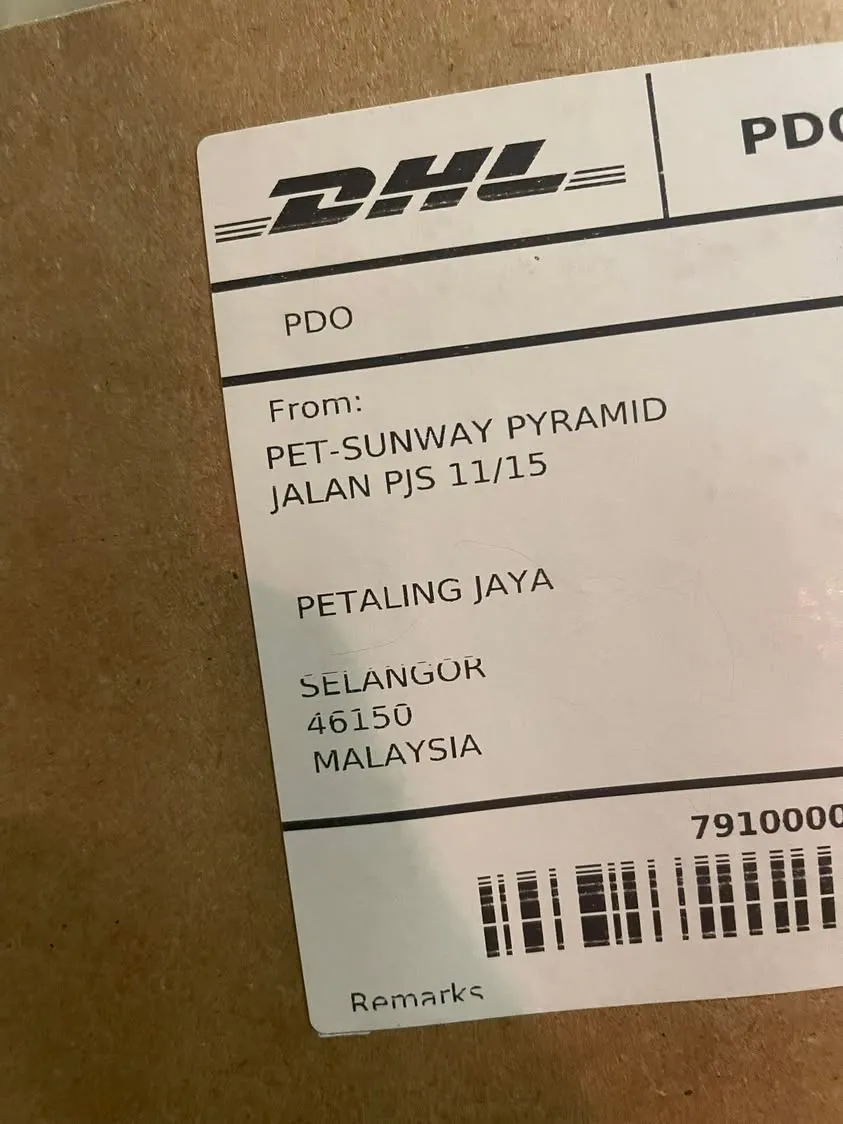
So the thing we thought was nearly unsolvable more than ten years ago, extremely complex and needing huge resources, has become an everyday action today that nobody even bothers to talk about.
ZARA's online orders are, in essence, served straight from its physical store inventory.
And it's real-time synchronous.
That moved me. It wasn't that we had the wrong idea back then. The tools, the infrastructure and the maturity of the systems just hadn't got there yet.
What's even more interesting is that the technology we thought was "too hard" back then isn't hard at all today.
So what about now?
AI has only just begun.
Does that mean the things we find complex and distant today, the things we think "would take a lot of resources", will look in ten years like inventory sync looks today: just a very ordinary default?
Often, the direction isn't wrong. The timing just hasn't arrived.
And when the timing really does arrive, the key is whether you can recognise it straight away.