The besieged city
Originally written in Chinese. Translated with AI, reviewed by Gary. Read the Chinese original →
I recently came across an interesting take on the relationship between big-company employees, founders and investors.
Those outside want in, those inside want out
People working at big companies face piles of KPIs, meetings and reports every day, plus a lot of what they see as meaningless busywork. Looking at founders outside, who meet customers, build products, raise money and get interviewed by the media, it seems like they're doing meaningful work every day. Once the business takes off, they even get to share on stage, at the height of their glory. By comparison, after several years you may still be just a small cog in the machine.
But what about founders?
The first thing they think about when they wake up is whether there's enough cash flow, whether customers have paid, and how to cover salaries and suppliers. When business is good, they worry about inventory and delivery. When business is bad, they worry about sales and costs. When they need funding, they have to chase investors, prepare decks, explain their business model, and face rejection after rejection.
They look at investors, who meet different founders every day, hear all kinds of business models, and sit in meeting rooms holding forth on everything, and it seems so easy for them to take part in the growth of many companies.
But being an investor is another story.
Every day brings a pile of pitch decks, countless founders, and many business models that sound impressive but may not actually hold up. When you finally back a good project, you still face the market, the team, the exit, and pressure from your LPs for returns. Getting it right may take many years to show results; getting it wrong is a real loss.
Sometimes investors end up envying the professionals at big companies, who don't carry the life or death of a whole business, only need to focus on their own field, build experience step by step, earn a stable income and have a fairly clear career path.
Round and round, everyone ends up back where they started.
It's the classic besieged city: those outside want to get in, and those inside want to get out.
Building a business doesn't necessarily mean freedom
After all these years running my own business, from first thinking it meant freedom, to later going through fundraising, fast growth, losses, debt and every kind of operational pressure, I've found that building a business doesn't necessarily mean freedom. Sometimes the founder is actually the least free person in the whole company.
I used to think that the bigger the company, the more money raised and the more impressive people you know, the more successful you are. But none of that necessarily makes a person happier.
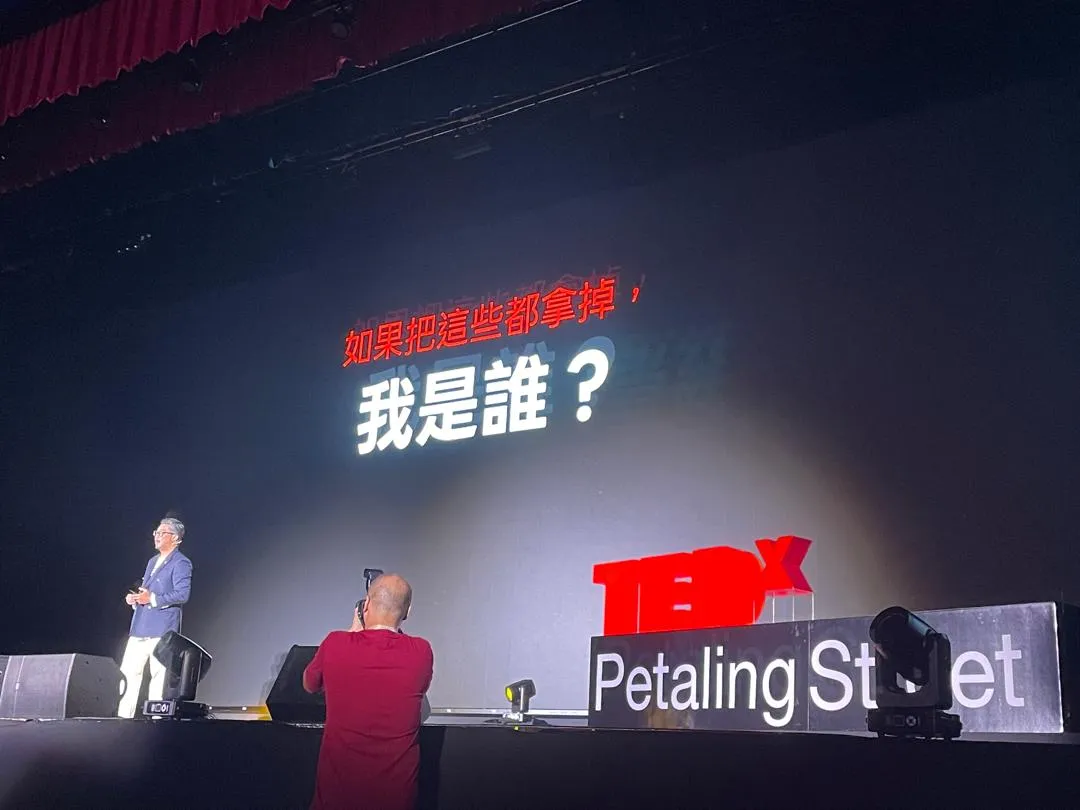
In recent years I've met some very successful entrepreneurs, especially some in their sixties who have been through several economic cycles. There's one type among them I've come to admire.
They've built up enough wealth that they no longer need to work hard for a monthly income, yet they haven't fully retired. They still invest in projects that interest them, help young founders and take part in growing some businesses. Sometimes they drink tea and chat, sometimes they look at a business, sometimes they travel.
It's not that they don't work. It's that they're now able to choose what they want to do, and what they don't.
I think that's the big difference.
Many people think financial freedom means not having to work. But what really attracts me isn't doing nothing, but one day being able to do only the things I enjoy and find meaningful.
Joining a project because it's interesting, not because you need the money. Helping a young founder because you've walked that road yourself. Taking a break without worrying whether the company will run into trouble tomorrow.
Of course, behind that kind of life there are usually decades of building, many failures, and long-term discipline and hard work.
What we want in the end is choice
So what should a company become?
Should it keep chasing bigger scale, higher GMV and more funding? Or should it be a business that keeps making money, with a good team and good systems, that doesn't need the founder to personally solve every problem every day?
When we're young, we chase opportunities. Later we chase results. At some stage, maybe what we truly want is choice.
To keep doing things, without having to go all out. To keep making money, without having to keep getting bigger. To take part in the world, without always having to stand at the centre of the stage.
In the end, after all these years of hard work, maybe what we really want is simply to one day no longer envy anyone else's life.