From physical retail to e-commerce: some things I learned
Originally written in Chinese. Translated with AI, reviewed by Gary. Read the Chinese original →
From 2014 to 2017, I ran 13 physical retail stores. In those years I went to stand in the stores almost every day, wanting to feel for myself what customers and staff needed.
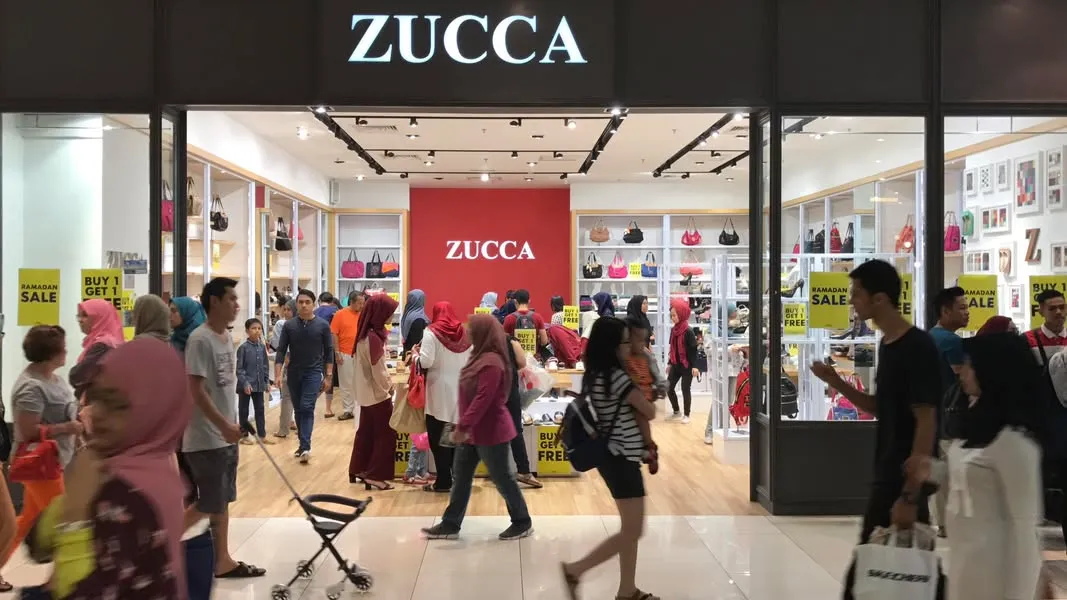
Back then I read lots of books, took lots of courses, and became hooked on using e-commerce thinking and data methods to analyse how customers came into the store.
For example: customers tend to enter from the left, so what should go on the first counter they see? High-margin items? Bestsellers? Or promotional stock?
Or: which area has less foot traffic? Should we run some activities to liven it up?
In my mind, every square foot of the store was money, and every spot had to be used to the fullest.
Sadly, however much I moved things around and adjusted, in December 2017 I still closed the last store.
The shock of e-commerce
In 2018 and 2019, e-commerce started taking off in Malaysia. We had no money, so my wife and I went to wholesale markets to buy ready stock and took orders through social media.
The team was just three people: me, my wife and an auntie. Unexpectedly, with that ready stock, we did 100k in sales in one month.
I was shocked. Opening a physical store needed 500k in capex upfront, 20k a month in rent, 10k for two or three staff, so around 30k in opex, and at most 70 to 80k in monthly revenue.
With e-commerce, three people taking photos, answering customers, placing orders and packing could do 100k.
That's when I discovered a key point: no matter how you change the shelves or run promotions in physical retail, you can't fundamentally lift sales, because you haven't solved "the customer's pain point".
Why did e-commerce take off back then?
E-commerce didn't suddenly explode. It took off because it solved the customer's core problem.
In many areas people couldn't buy clothes, so online shopping became the only option. Back then our biggest customer base was on the east coast.
Today it's different. E-commerce is part of everyday life, and our biggest customer base is in the Klang Valley.
Back to the most fundamental question
Recently the business hit a ceiling again, and I caught myself back in my old state: staring at all kinds of e-commerce data, trying to find the answer in the ups and downs of the numbers.
CTR, conversion, traffic funnels: these are tools, of course, but they've never been the starting point.
Data is a rear-view mirror. It can tell you what happened in the past, but it can't drive for you. What really holds the steering wheel is the customer's need.
Many people treat e-commerce as a traffic business. But traffic is only the pipe. The real water source is the customer's reason to open her wallet for you.
That reason isn't hidden in a spreadsheet. It's hidden in the customer's daily life: why did she buy today? Will she come back tomorrow?
If your product, your service, or the whole experience doesn't solve her problem, then all your data optimisation is a temporary stimulant. It can't last.
The core of business is always people's hearts
Get people's hearts right and the data will look good on its own. Lose their hearts and even the prettiest report is just an illusion.
Many founders, including me right now, fall into a loop of "adjust the shelves", "adjust the ads", "adjust the prices", thinking that will break through the ceiling.
But real breakthroughs usually come from one deep conversation, one pair of ears that really listens, or one sincere solution.
Markets change, channels change, tools change, but the customer is always a living, breathing person.
Understand her, respect her, solve her problem. That was my lesson from physical retail, and it's also a reminder to myself as I run the business today.