Emergence: how a city takes shape
Originally written in Chinese. Translated with AI, reviewed by Gary. Read the Chinese original →
Lately I keep coming back to one word: emergence.
Putting up buildings doesn't make a city
Not long ago I read about Nusantara, the new capital Indonesia is building in East Kalimantan. Since it was announced in 2019, huge sums have gone into it. Government buildings, roads and all kinds of infrastructure have gone up one after another, but bringing people in and getting the city to grow still faces many challenges.
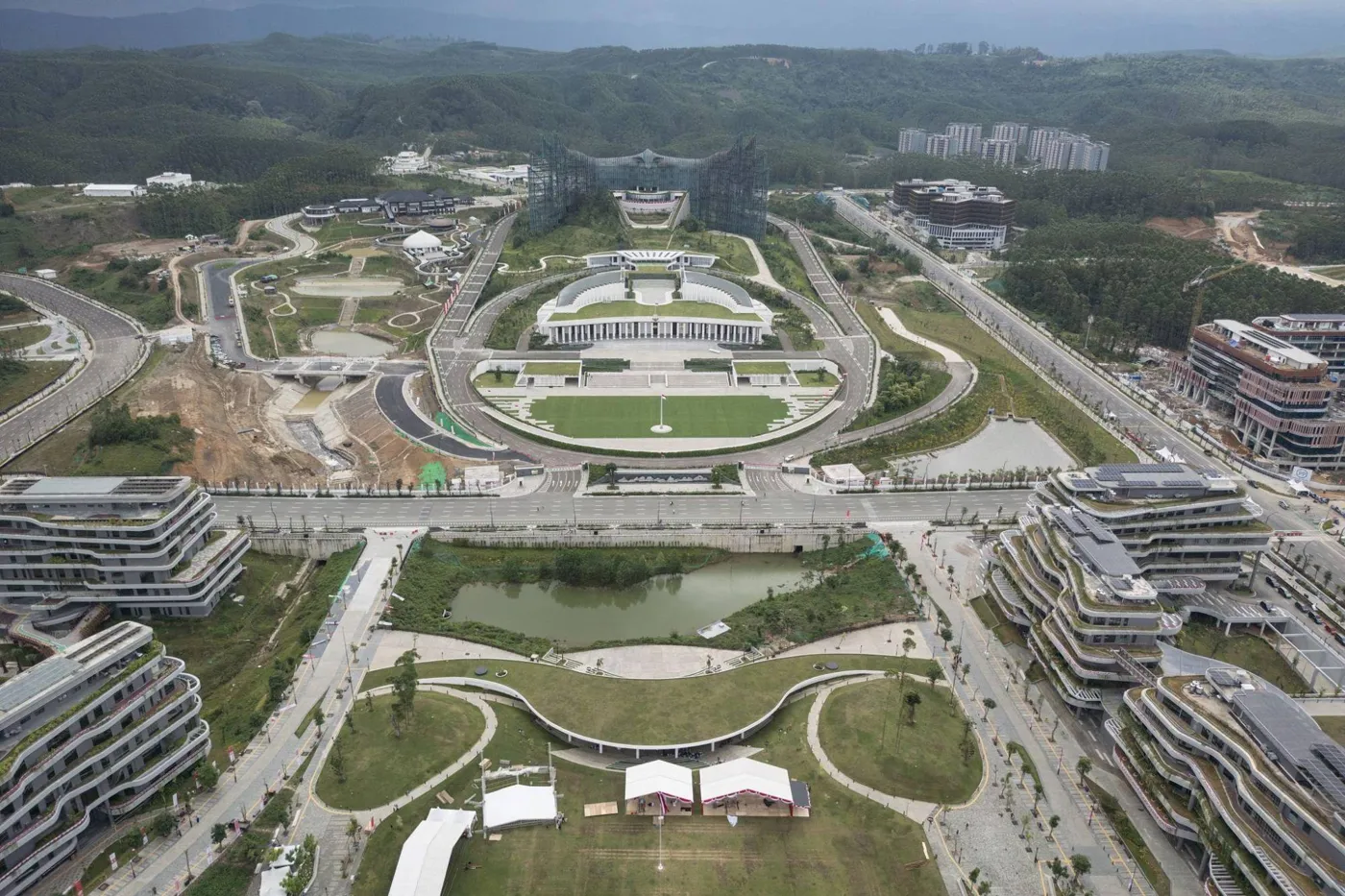
Compared with getting a city to actually work, putting up buildings is the relatively easy part to plan.
With money, a plan and an engineering team, buildings will always go up, one by one.
But finishing the construction of a city doesn't mean it becomes a real city.
Because a city's real life doesn't come only from its buildings. It comes from the people who live in it.
Some move in for work, some open restaurants, some start businesses, some organise the community. Slowly, demand appears, so more shops open; more jobs appear, which draws more people in.
The interesting thing is that nobody can plan in advance how every restaurant and every shop should run, and nobody decides how all the residents live.
But as each person pursues their own life, through constant interaction, exchange and adjustment, a complex urban ecosystem gradually forms.
That's the emergence I've been thinking about.
Products and brands emerge too
Apply this idea to building a business and it gets interesting.
Many founders have an idea, then start putting in money, building the product and adding features, hoping to make it perfect before taking it to market.
After spending a lot of time and money, they discover nobody actually needs it.
It's like finishing a city and finding nobody wants to move in.
On the other hand, if you first find a small group of customers with a real need, solve their problem, and keep adjusting based on sales, usage and feedback, the product may slowly grow into something you never originally imagined.
Brands are the same.
A beautiful logo, packaging and shop don't mean you've built a brand.
A real brand is the shared perception that slowly forms after customers buy, use, feel satisfied, buy again, and even recommend you to friends.
We can design a brand's image, but we can't decide on our own how customers see the brand.
Culture isn't created by order either
Company culture works in a similar way.
If a company's systems only reward sales, employees will naturally find ways to raise revenue. But if they reward GMV rather than profit, you may end up with an organisation that's great at selling but doesn't make money.
If a company starts from punishing mistakes, over time employees may learn to do less so they get less wrong, avoid responsibility, and even stop sharing the real problems.
No CEO asks employees to behave like that, yet the culture can slowly become exactly that.
Looking back on my own experience, in the early days it was mostly top-down. I set the direction, set the targets, then handed them to the team to execute.
But now, rather than asking everyone to hit targets I set, I'd rather build a platform where the team has the chance to pursue their own dreams. When we meet and talk, it's more about solving problems together than proving who's right.
Gradually, the team started communicating more openly, information flowed faster, and many business opportunities appeared that we had never deliberately planned.
Some partnerships weren't even things we went looking for. They appeared slowly, after the team kept solving customers' problems, building experience and earning trust.
Rethinking the CEO's role
This has made me rethink the role of a CEO.
Of course we need vision, strategy and planning, and we need systems and management.
But maybe we don't need to design every outcome in advance.
What matters more is creating a good environment, setting the right rules, letting information flow freely, letting everyone use their abilities, and through constant feedback and adjustment, building a positive cycle.
We can plan a city, but planning alone can't make it thrive. We can found a company, but orders alone can't create its culture.
When I started out, I always felt I had to figure out every direction myself, then lead the team to execute.
Now I'm starting to understand that maybe a good CEO isn't only someone who leads the team to carry out their plan, but someone who builds an environment where the team can keep discovering and creating opportunities that even they didn't see at the start.