People buy tools, companies buy efficiency: AI's business model is shifting
Originally written in Chinese. Translated with AI, reviewed by Gary. Read the Chinese original →
Today the AI partner our company works with ran a training session for the team on turning images and text into video. Honestly, the results were better than I expected. A few years ago, AI-generated content was mostly something "fun to play with". Watching the team actually use it today, I started to feel it is slowly moving from "fun" to "something that can genuinely enter our workflow".
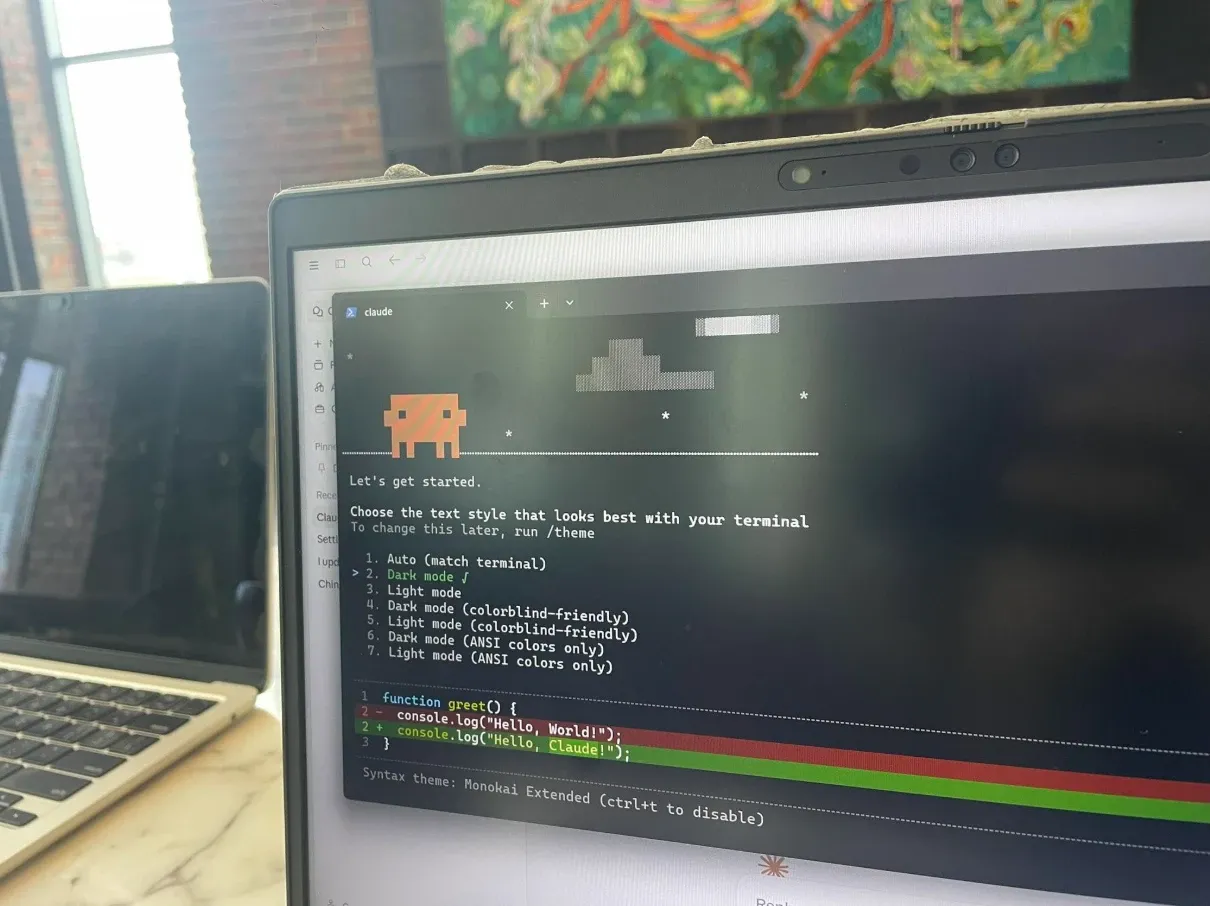
After the training, I asked him to stay back to help with some technical problems. Once those were solved, we kept talking. And we both noticed something obvious: AI has changed incredibly fast over the last three months. How fast? Things we were still imagining about four months ago may already have been rewritten by new models, new tools and new ways of working.
We also talked about where this wave of AI hits hardest: SaaS.
The logic of a lot of enterprise software used to be: package a function into a system and charge monthly. Companies bought the software, and staff slowly learned how to use it. But once AI comes in, the logic changes. AI isn't just a tool. It is more like a "work partner" that can enter your processes, take part in judgment and help execute. That directly changes how companies work internally, and it redefines the value of a lot of software.
Why are AI companies moving towards B2B?
What's even more interesting is that the business model of the big AI model companies is going through a major shift.
Many of the great companies of the internet era, whether Taobao, Grab, TikTok or other platforms, started from the end user. Attract users first, build traffic, create network effects, then slowly monetise. So people naturally looked at AI the same way. How many individuals will pay? Won't everyone keep looking for the free version? With so much compute being burned, can this ever make money?
But over the past few months, things have started to look different.
The AI model companies seem to have found a clearer path to revenue. They aren't only doing B2C. They are moving more and more clearly towards B2B. That makes a lot of sense. When an individual uses a lot of tokens, the first reaction may be: "Why is this so expensive? Is there a free one?" For a business owner, the logic is completely different. If staff use AI more, it means higher efficiency, faster output and smoother processes, so the owner thinks: "Keep using it. Buying more tokens is worth it."
That is the biggest difference between B2C and B2B.
When individuals pay, they are buying a tool. When companies pay, they are buying efficiency, time and cheaper experiments.
Once AI truly enters a company's processes, its commercial value becomes very clear. It is no longer just chatting, writing copy or generating images. It starts to take part in sales, customer service, content production, data analysis, product development and internal decisions, and in future perhaps the whole operating system of a company.
We also talked about Anthropic. Early on, it moved into developer and enterprise work through products like Claude Code, and found a fairly clear B2B revenue model quickly. OpenAI has also kept adjusting, concentrating its resources on products that can actually land, fit into business workflows and raise productivity. While the market was still worrying about whether AI is a bubble or burning cash too fast, these companies had already started moving from "attracting users" to "creating value for businesses".
I find that fascinating.
Because it means the AI race is no longer just about whose model is smarter, but about who gets into real work fastest, and who can genuinely help companies save time, make money, cut waste and work more efficiently.
What will AI change next?
In the early internet era, nobody imagined business models like TikTok, Grab or Taobao. Many things can't be seen when a technology first appears. New business models only grow once the technology slowly enters daily life, transactions and workflows.
AI is the same.
What we see today may only be the first layer: generating text, images and video, writing code, handling customer service. The really big changes may still be ahead. How will AI change companies? How will it change people's jobs? How will it change software, retail, supply chains? There is no final answer yet.
AI isn't a standalone tool. It will slowly become new infrastructure for businesses.
The internet connected people with information, with products and with services.
AI goes a step further. It starts to connect needs, judgment, content, processes and execution.
My biggest feeling over these few months is that the AI world is changing too fast. Too fast to just stand on the side and watch, and too fast to treat it as a small tool for efficiency. We have to really put it into our company's processes and into the team's daily work, learning by doing and adjusting as we learn.
Because many of the new opportunities ahead may not be clear at the start.
Like the internet before it, AI will change the tools first, then the processes, and finally the entire business model.